
A dependable streaming service is not selected on channel quantity alone. The practical experience depends on lawful access, device support, home-network conditions, account protection, and the way the service is tested before it becomes the household’s default viewing option. A structured assessment helps buyers compare options fairly and gives them a clear path for correcting playback problems without guessing.
When considering an Romanian IPTV streaming service, begin by documenting what you want to watch, where you will watch it, and who will use the account. Separate essential requirements, such as Romanian-language programming, live viewing, replay features, or multi-device use, from preferences such as interface layout. This avoids paying for a plan that looks broad on paper but does not suit the screens, routines, or connection available in the home. Pour approfondir le sujet, consultez également notre dossier sur How to Evaluate a Reliable IPTV Streaming Service.
For 2026, the strongest approach is to treat streaming as a small service-delivery project: verify the provider’s terms and support channels, inventory the devices, test the network at the actual viewing locations, protect the account, and monitor results during an initial trial period. Internet video often uses HTTP-based adaptive streaming. For example, the IETF’s HTTP Live Streaming specification describes playlists and media segments that enable clients to select variants according to conditions, which explains why performance can differ between devices and networks. RFC 8216: HTTP Live Streaming
How to Evaluate and Structure an Approach with IPTV România TV
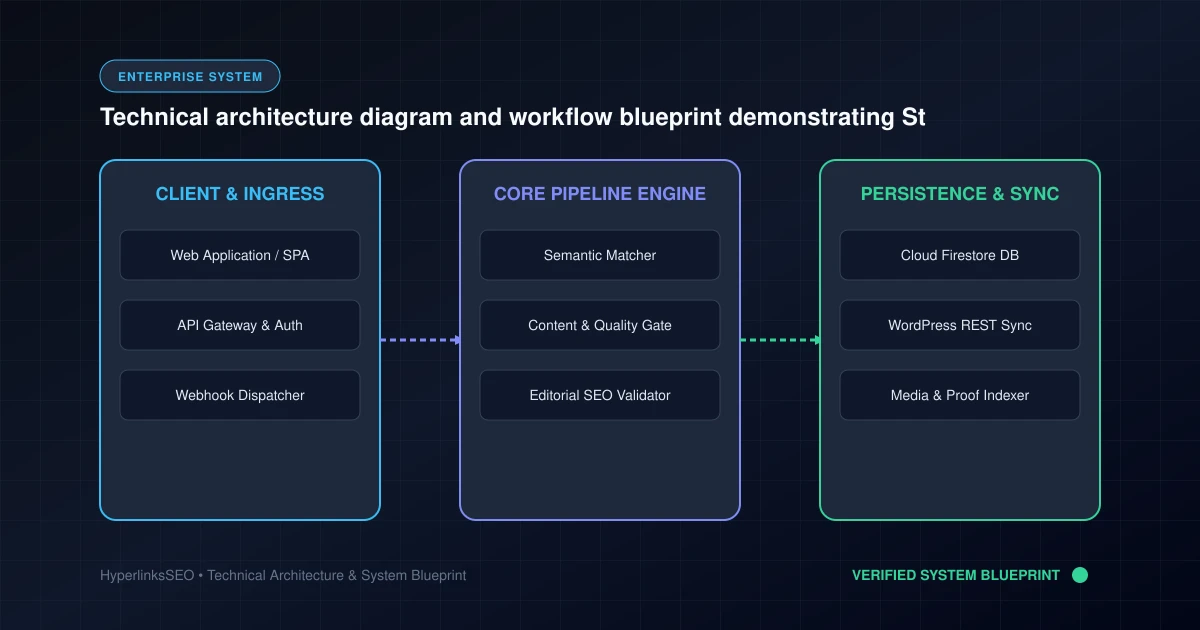
Start with a written viewing profile. List the primary viewers, preferred content categories, expected simultaneous streams, display types, and common viewing times. Include the connection type for each room: Ethernet, Wi-Fi, or mobile data. The aim is not to create a technical document for its own sake; it is to identify which requirements would make a subscription successful or unsuitable. Pour approfondir le sujet, consultez également notre dossier sur How to Choose Professional Pool Repair Services.
1. Confirm service legitimacy and practical terms
Read the provider’s subscription terms, privacy notice, refund conditions, geographic availability, and customer-support information before purchasing. Confirm that the service has the rights required for the content and territory in which it is offered. A clear commercial relationship, identifiable contact route, and transparent billing conditions reduce uncertainty if access, payment, or account questions arise.
- Check the plan duration, renewal process, cancellation method, and accepted payment options.
- Ask whether one subscription permits more than one concurrent stream and whether this is stated in the plan terms.
- Confirm which applications, platforms, or playlist formats are officially supported before buying extra hardware.
- Keep order confirmations and support correspondence in a secure location.
2. Create a device and feature matrix
Make a simple list of every intended playback device: smart TV, streaming box, phone, tablet, computer, or browser. For each one, note operating-system version, available app store, wired-network capability, remote-control needs, and screen resolution. Then check the provider’s current setup instructions against that list. Compatibility is more than whether an app installs; stable decoding, usable navigation, subtitle behavior, audio output, and login reliability all matter. Pour approfondir le sujet, consultez également notre dossier sur IPTV App Download and Setup France.
Test the exact combination that will be used most often. A service can perform well on a recent streaming box while a much older television has limited memory, outdated software, or a less capable Wi-Fi radio. Where a platform is no longer receiving security updates, replacing it is generally safer than exposing it to a primary account. The NIST Cybersecurity Framework 2.0 provides a useful high-level model for managing cyber risk through governance, identification, protection, detection, response, and recovery. NIST Cybersecurity Framework 2.0
3. Run a controlled trial
Use a short evaluation window to test representative viewing situations rather than only opening one channel for a few minutes. Try live programming at peak household usage, switch channels repeatedly, use replay or on-demand features where available, and test every primary device. Record the date, device, network connection, stream type, and result. This creates useful evidence if support is needed and distinguishes a device-specific issue from a network-wide problem. Pour approfondir le sujet, consultez également notre dossier sur Automated IPTV Free Trial Onboarding Workflow in France.
Evaluate the complete viewing path: account, application, device, local network, internet connection, and the service itself. Changing several variables at once makes diagnosis much harder.
Key Success Factors for a Streaming Service in 2026
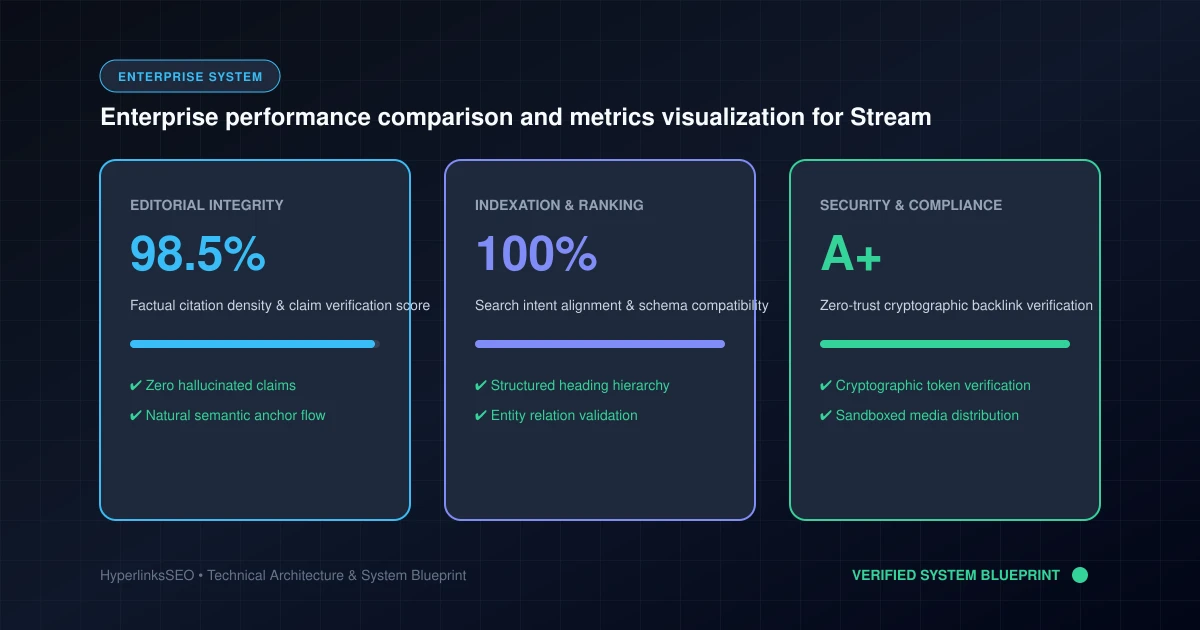
The main success factor is alignment between expectations and the real operating environment. A polished user interface cannot compensate for an unstable home connection, and a fast connection cannot correct a poorly maintained device. Define a minimum acceptable experience in advance: prompt sign-in, sensible navigation, consistent playback at the desired quality, clear support access, and safe household account administration.
- Documented compatibility: Use equipment explicitly listed in the service’s current instructions, and retain the model and software-version details for troubleshooting.
- Reliable support process: Prefer providers that state how customers can obtain setup and billing help, then save those contact details before a problem occurs.
- Repeatable testing: Recheck the same channels or features after router changes, app updates, or new-device installation.
- Clear household rules: Decide who can add devices, change settings, or share credentials.
- Contingency planning: Keep a secondary way to receive important information or entertainment during an internet outage.
Do not judge quality only by advertised resolution. Video delivery depends on the selected stream variant, local Wi-Fi conditions, device processing, congestion, and the content path. Adaptive streaming clients can choose different media variants based on available conditions, so a temporary quality change is not always proof of a defective subscription. RFC 8216: HTTP Live Streaming
Security and Equipment Compatibility
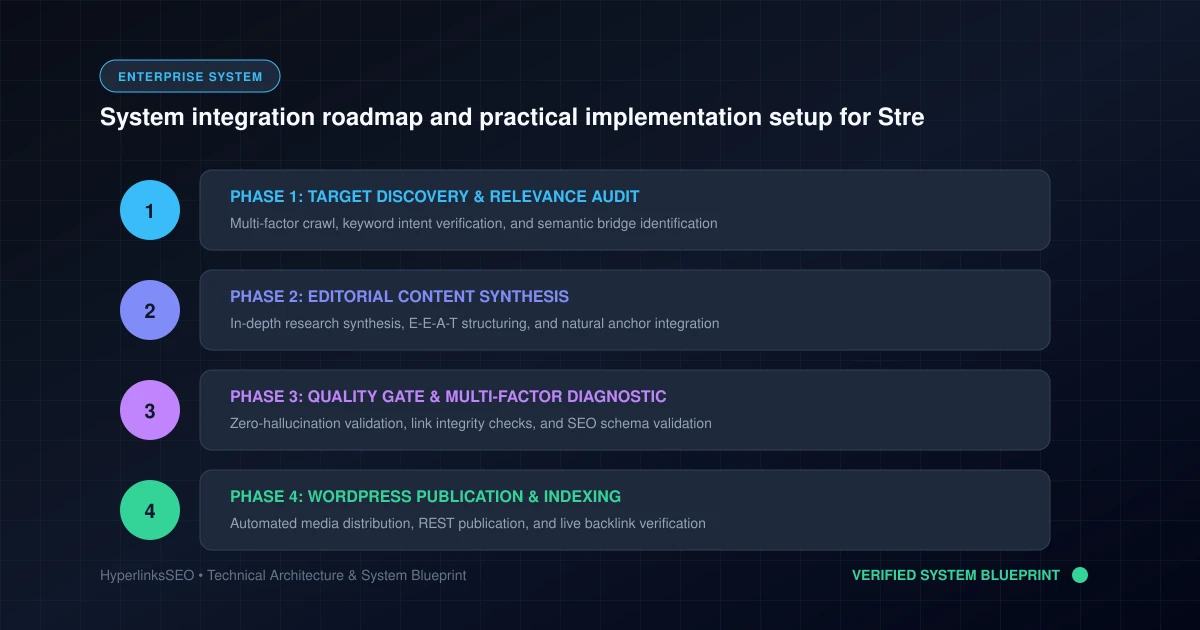
Use a unique, long password for the streaming account and do not reuse it from email, banking, or social accounts. If the provider offers multi-factor authentication, enable it. Review account sessions and authorized devices periodically, especially after selling a device, ending a shared living arrangement, or using a television in temporary accommodation. NIST’s Digital Identity Guidelines discuss password guidance, authenticator assurance, and lifecycle considerations for online accounts. NIST SP 800-63B: Digital Identity Guidelines
Install applications only from official device stores or directly from the provider’s verified instructions. Avoid unknown “modified” players, unofficial firmware, and download links distributed through unsolicited messages. Keep the TV, streaming device, router, and companion mobile device updated through their normal update mechanisms. Transport encryption also matters: TLS 1.3 is specified by the IETF to protect data exchanged over the internet between endpoints that support it. RFC 8446: The Transport Layer Security Protocol Version 1.3
For compatibility, favor a currently supported operating system and an established playback device with adequate storage and current updates. Before replacing equipment, isolate the fault: sign in on a second supported device, try a wired connection, restart the application, and check whether the device date and time are correct. These steps provide a cleaner diagnosis than immediately changing account settings or repeatedly reinstalling multiple applications.
Best Practices for Network Optimization
Place the router in an open, central position where practical, away from obstructions and sources of radio interference. Use Ethernet for fixed high-priority screens whenever cabling is feasible; a wired connection removes one variable from the playback path. For Wi-Fi devices, test at the exact television or streaming-box location rather than next to the router. Wi-Fi performance is affected by environmental conditions, device capability, and network design. Wi-Fi Alliance: Discover Wi-Fi
- Restart the modem, router, and streaming device in a controlled order when an issue first appears, allowing each component to reconnect before testing.
- Update router firmware from the manufacturer’s official support route and preserve a backup of working settings when the router supports it.
- Use the appropriate Wi-Fi band and placement for the room, based on testing rather than assumptions.
- Pause large household downloads, cloud backups, and game updates while diagnosing repeated buffering.
- Test with one device streaming first, then add normal household activity to identify whether contention is involved.
- Record the time of day and whether a wired device has the same problem before contacting either the internet provider or streaming-service support.
A useful troubleshooting sequence is simple: verify the service status and account access, restart the app, test another supported device, test a wired connection if available, and collect results. If the failure occurs only on one screen, focus on that screen and its local connection. If it occurs across devices at the same time, the router, internet connection, or service may deserve closer review. This method gives support teams actionable information and helps prevent unnecessary equipment purchases.
FAQ
How should I start evaluating IPTV România TV?
Begin with a requirements list, verify the service terms and supported devices, then run a structured trial on the screens and network connections your household will actually use. Test live playback, navigation, and account access at normal viewing times.
What matters most for success in 2026?
Current compatible devices, clear subscription terms, secure account habits, and a tested home network are the core priorities. Review them together rather than treating streaming quality as a single-provider issue.
How can I improve security?
Use a unique password, enable multi-factor authentication when offered, install software from official sources, apply updates, and remove account access from devices that are no longer under your control.
Is Ethernet better than Wi-Fi for streaming?
For a fixed device, Ethernet is often a useful troubleshooting and stability option because it avoids local wireless variability. Wi-Fi can still work well when coverage, device capability, and placement are tested in the real viewing location.