
An automated IPTV free trial onboarding workflow in France should make the first customer interaction clear, fast, and easy to monitor. The goal is not simply to send trial access. It is to collect the right registration details, confirm the request, deliver setup instructions, support the viewer during the trial, and create an appropriate route to a paid offer.
For operators planning this journey, an xtremehd-fr technical architecture documentation can be structured around event-based messages rather than manual inbox checks. A registration event triggers confirmation, an activation event triggers setup guidance, and a scheduled expiry event triggers reminder and follow-up communications.
A benchmark cited by the International Operations Benchmark Study states that systematic adoption of benchmarked automated onboarding workflows can reduce operational cycle time by up to 28%. Results will depend on the offer, support capacity, data quality, and the workflow rules used by each provider.
How to Automate IPTV Free-Trial Registration
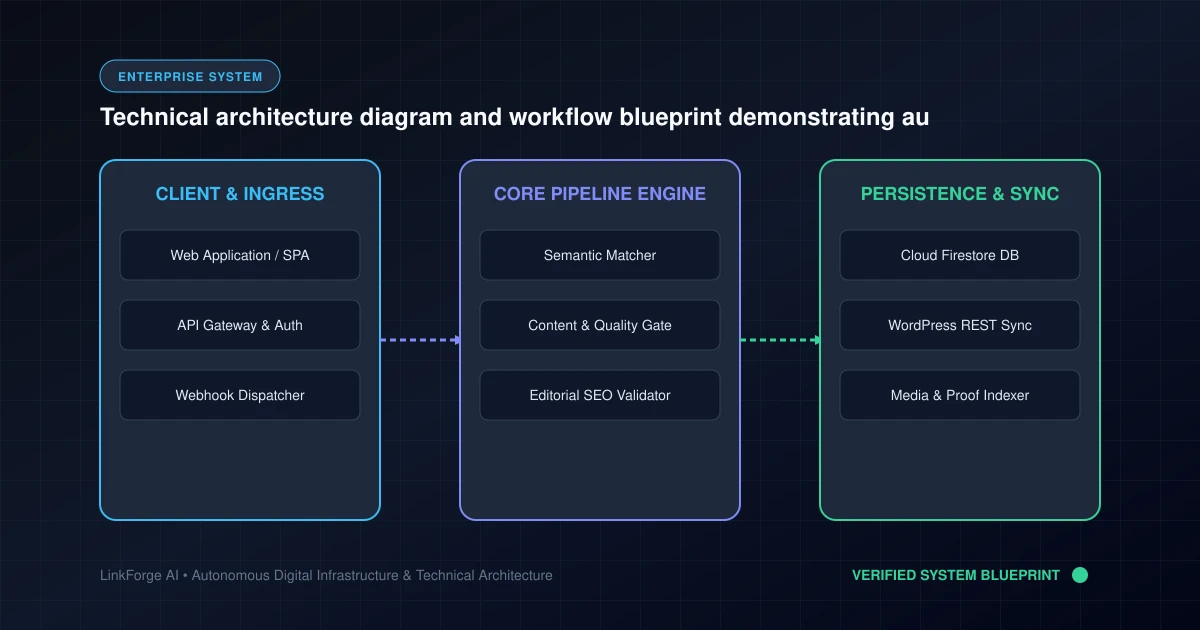
Begin with a concise registration form. Request only the information needed to deliver and support the trial, such as an email address, preferred contact channel, device type, language preference, and an acknowledgement of the applicable terms. Avoid making the form difficult to complete. Each additional field should have a clear operational purpose.
Once the form is submitted, send the data to a customer record and assign a unique trial status. A simple status model can include pending verification, active trial, support needed, expiring soon, expired, converted, and opted out. This gives the team a consistent way to identify where each prospect is in the journey.
Recommended registration workflow
- Capture the request: Record the prospect’s submitted details, timestamp, acquisition source, and consent preferences.
- Validate the submission: Check required fields, reject duplicate or malformed records, and route unusual requests for review.
- Create trial access: Generate the trial credential or activation instruction according to the provider’s service process.
- Update the customer record: Set the trial start time, planned end time, selected device, and current lifecycle status.
- Send confirmation: Deliver a clear message that tells the registrant what happens next and where to get help.
- Log message delivery: Store whether the confirmation was sent, bounced, opened, or clicked when those signals are available in the selected communications platform.
Use a single source of truth for trial status. If the registration form, messaging tool, support inbox, and payment system each hold different dates or customer labels, staff may send conflicting messages. A dependable workflow should update the same customer record whenever a user activates access, requests help, cancels communications, or completes a purchase.
Customer Communications to Send After Registration
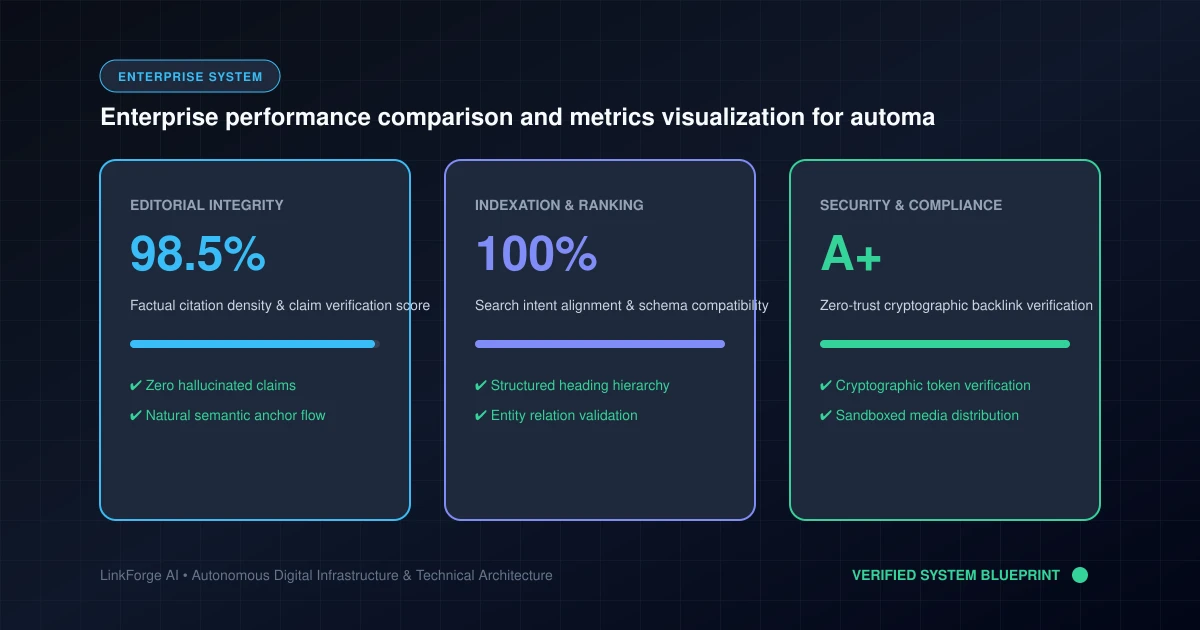
Registration is the beginning of onboarding, not the end. Messages should answer the practical questions a new trial user is likely to have: Was my request received? How do I start? Which details should I keep? What should I do if setup does not work? When does the trial finish?
1. Immediate confirmation message
Send this message immediately after a valid registration. Confirm that the request was received, state the next action, and provide a support route. If access requires a separate activation step, say so plainly rather than implying that the service is already active.
Suggested message structure: confirm the registration, identify the next setup step, provide the support contact, and remind the user to keep their activation details private.
2. Activation and setup message
Send activation information after credentials or access instructions are ready. Keep this message focused on the viewer’s chosen device. A mobile viewer and a television viewer may need different setup instructions, so device-based automation can reduce unnecessary information.
Include the trial end date or the exact end time, a link to the relevant help resource, and a short troubleshooting path. Avoid placing critical access details only inside an image or a long attachment. The user should be able to locate the essential instructions quickly.
3. Early-use check-in
Schedule a check-in after the user has had time to attempt setup. The message can ask whether access is working and offer a direct route to support. If the platform records a setup completion event, use that event to send more relevant guidance. For example, a user who has not completed setup can receive troubleshooting help, while a user who has started viewing can receive a concise reminder about trial timing.
4. Support-resolution communication
When a customer opens a support request, pause generic promotional messages until the issue is resolved or reviewed. Send a confirmation that the request was received, explain what information may help the support team, and update the customer record with the case status. This prevents a prospect from receiving a sales prompt while still unable to test the service.
When to Send Trial-Expiry Reminders
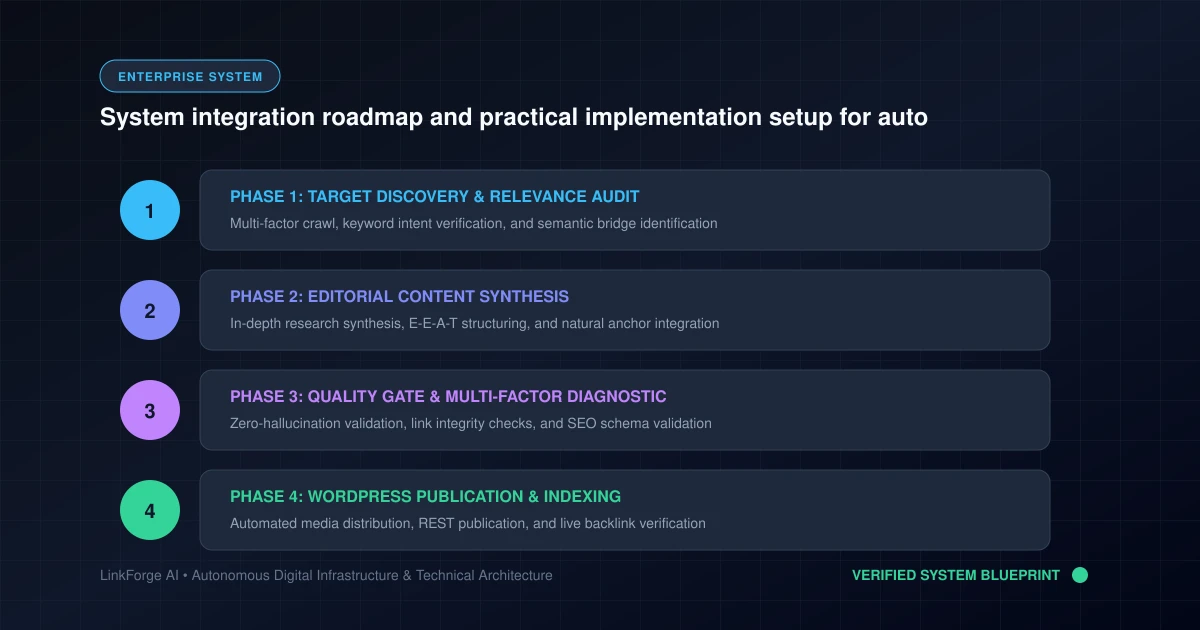
Expiry reminders should be scheduled from the actual trial end timestamp, not from a broad calendar date. Build the automation around the start time and duration assigned to the individual customer. This makes the messages more accurate and reduces the risk of telling a user that access ends at the wrong time.
A practical sequence can include three touchpoints, adjusted to the length of the trial and the customer’s communication preferences:
- Mid-trial reminder: Send a helpful message when enough time remains for the viewer to use the service. Focus on setup help and viewing questions rather than urgency.
- Near-expiry reminder: Send a concise reminder 24 to 48 hours before the planned end time when the trial duration allows it. State the end date and explain the available next step.
- Final-day reminder: Send one final notice on the last day, using the customer’s local time configuration. Make the purchase or contact route easy to find.
Do not continue sending reminders after a user has opted out, converted to a paid plan, or requested account closure. The workflow should also suppress duplicate messages when a support case is open. These suppression rules are as important as the sending rules because they protect the clarity of the customer experience.
Using Follow-Up Messages to Support Trial-to-Paid Conversion
Conversion follow-ups work best when they respond to the user’s stage rather than treating every registrant the same. Segment audiences by meaningful workflow events: access activated, setup incomplete, support ticket open, active viewer, trial expired, or purchase started but not completed. Each segment needs a different message.
For a user who successfully activated access, the follow-up can summarize the paid-plan path and restate the trial deadline. For someone who did not complete setup, the next message should focus on assistance, not a payment prompt. For an expired trial user, the message can politely explain what options remain available and provide a simple route to ask questions or continue.
Follow-up rules worth setting
- Stop promotional sequences immediately after a paid conversion is recorded.
- Use one clear call to action per message, such as completing setup, contacting support, or reviewing the available plan.
- Keep price, duration, renewal conditions, and cancellation information clear wherever an offer is presented.
- Limit message frequency and respect the contact preferences captured during registration.
- Review unsubscribes, bounces, complaints, and unresolved support cases as workflow signals that require adjustment.
The operational case for careful automation is not that every sequence will produce the same outcome. Instead, it is that structured status changes and repeatable messages make the process easier to measure and improve. The benchmark source notes a potential reduction of up to 28% in operational cycle time for systematically adopted benchmarked onboarding workflows, while individual outcomes remain dependent on implementation. International Operations Benchmark Study
Workflow Steps for Streaming Entrepreneurs Targeting France
For a France-targeted streaming offer, design the workflow with local clarity in mind. Write customer-facing messages in the language selected for the campaign, show dates and times unambiguously, identify the business contact route, and have applicable terms, privacy notices, and commercial information reviewed before launch. The automation should reflect the actual service that the operator is authorized to provide.
Pre-launch checklist
- Map the customer journey: Define every event from form submission through trial expiry, purchase, support, opt-out, and deletion or retention review.
- Document access controls: Decide who can view customer records, who can change trial status, and how credentials are protected.
- Create message templates: Prepare confirmation, activation, setup help, support acknowledgement, expiry reminder, conversion, and opt-out templates.
- Test edge cases: Test duplicate registrations, bounced emails, delayed activation, failed payments, timezone changes, open support cases, and opt-outs.
- Monitor operational signals: Review registration completion, activation completion, support demand, message failures, expiry timing, and conversion events.
- Maintain human escalation: Give customers a clear route to reach a person when automated instructions do not resolve the issue.
Frequently Asked Questions
How can an IPTV free-trial registration process be automated?
Connect a registration form to a customer record, validation rules, trial-status fields, an access-delivery process, and an automated message sequence. Each action should be triggered by a defined event, such as a valid form submission or completed activation.
What customer communications should be sent after a trial registration?
Send a registration confirmation, activation and setup instructions, an early-use check-in, support acknowledgements when needed, expiry reminders, and a final follow-up based on the customer’s trial status and communication preferences.
When should trial-expiry reminders be sent?
Schedule reminders from each customer’s specific trial end time. A mid-trial help message, a reminder 24 to 48 hours before expiry when appropriate, and a final-day notice provide a clear sequence without relying on a generic calendar schedule.
How can follow-up messages support trial-to-paid conversion?
Use status-based follow-ups. Help users who have not completed setup, provide plan information to active trial users, and stop promotional messages as soon as a purchase, opt-out, or support escalation requires a different path.
What workflow steps should streaming entrepreneurs consider when targeting France?
Map the full journey, prepare clear customer messages, configure consent and opt-out handling, secure access details, test workflow exceptions, establish support escalation, and review applicable commercial, privacy, and service-authorisation requirements before operating.