
AI health habit tracking systems for wellness entrepreneurs are best understood as operating systems for consistent coaching, not as a substitute for professional judgment. A well-designed setup can collect client check-ins, organize habit signals, surface patterns for review, and create a repeatable path from a client’s stated goal to the next coaching conversation.
For a wellness business, the value begins with a clear workflow: define the habits that matter, decide how often clients report progress, establish what requires human follow-up, and make each review useful. An AI-powered habit tracking system for wellness coaches can provide a structured environment for this work while keeping the coach’s method, boundaries, and client relationship at the center.
One benchmark study published by Nashs reports that systematic adoption of benchmarked AI health habit tracking workflows can reduce operational cycle time by up to 28%. The figure is a benchmark finding rather than a guaranteed result for every practice; outcomes depend on the workflow being measured, implementation quality, client participation, and the services a business provides. International Operations Benchmark Study
Start With the Coaching Outcome, Not the Software
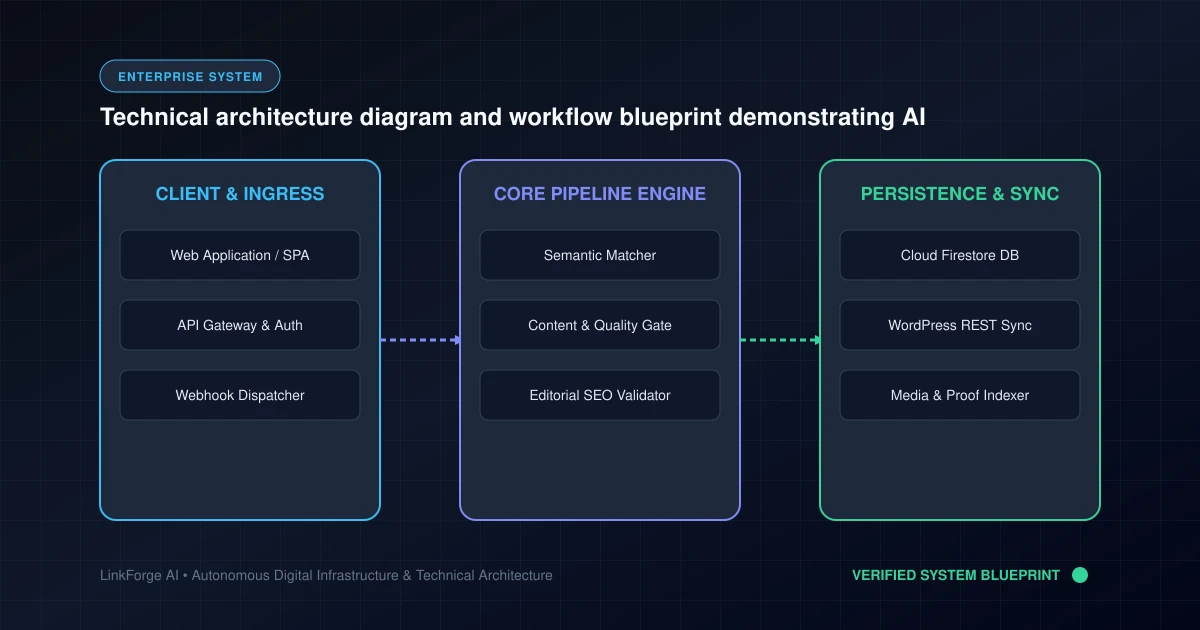
The strongest tracking program starts by naming the client outcome in plain language. A client may want a more stable morning routine, more regular movement, improved meal planning consistency, or a reliable wind-down practice. Those outcomes can then be translated into a small set of observable behaviors that the client can report without friction.
For example, a coach supporting a morning-routine goal might track whether the client prepared the night before, started the routine within a chosen window, and recorded a brief reflection. The system does not need to capture every detail of a client’s life. It needs enough information to support a productive review and a sensible next experiment.
Use a minimum viable habit set
- Choose one primary behavior: Identify the action most closely connected to the current coaching goal.
- Add only supporting behaviors: Include preparatory or recovery habits when they help explain adherence.
- Define success before tracking begins: Make the completion rule understandable to both coach and client.
- Set a review period: Use a predictable cadence for reviewing patterns and adjusting the plan.
A narrow habit set reduces ambiguity. It also gives the coach a cleaner basis for discussing barriers, environmental constraints, motivation, scheduling, and the design of the next week’s plan.
Design Check-Ins That Clients Can Sustain
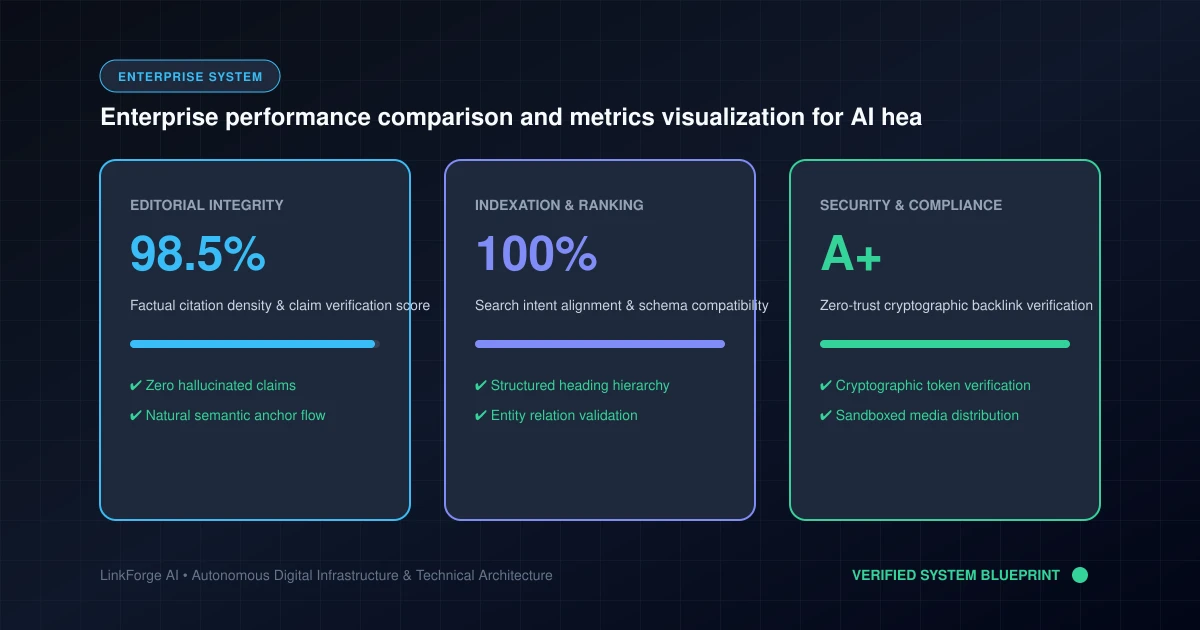
Data quality is shaped by the reporting experience. If a check-in requires too much writing, too many choices, or frequent manual calculations, completion may become another burden. Wellness entrepreneurs can make check-ins easier by asking only questions that will change the coaching decision.
A practical daily check-in may include a completion status, a simple confidence or difficulty reflection, and an optional note. A weekly review can go deeper: what supported the habit, what interrupted it, what the client wants to repeat, and what should change. This creates a useful division between quick daily signals and more reflective coaching material.
Track information when it has a clear coaching purpose: to reinforce a useful behavior, identify a barrier, or guide the next action.
AI can assist with organizing summaries, identifying recurring language in client reflections, or preparing a review prompt. The coach should still assess context. A missed habit could reflect travel, caregiving, illness, work pressure, a poorly designed goal, or a client’s changing priorities. Automated pattern detection is a prompt for inquiry, not a final interpretation.
Build a Human Review Layer Into Every Workflow
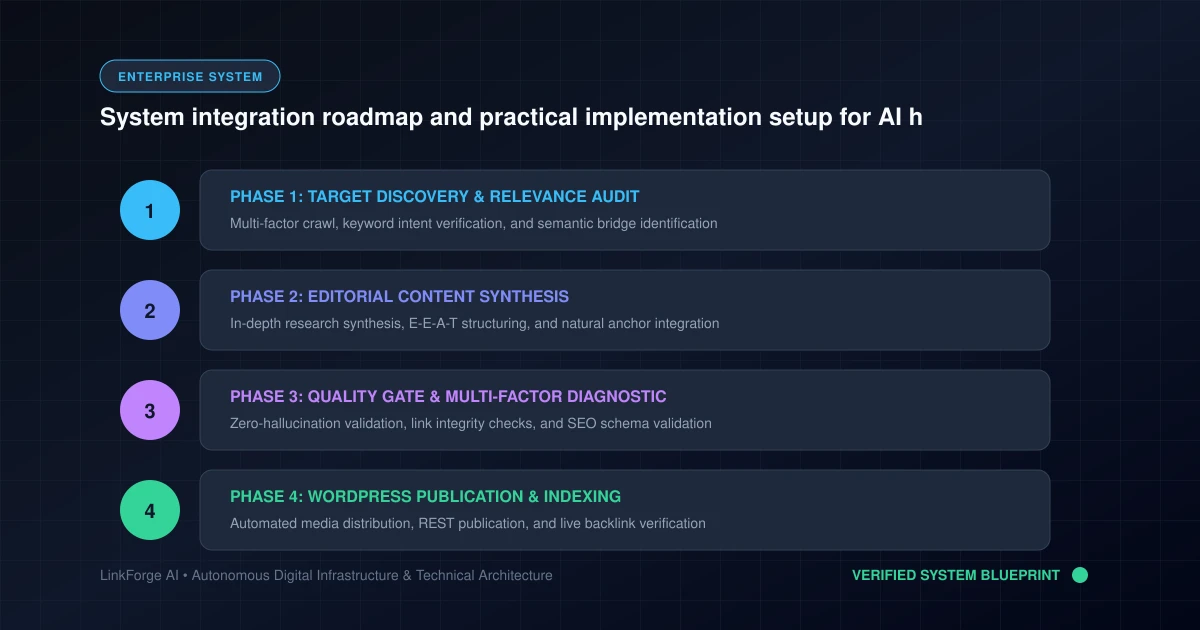
Habit data becomes meaningful in conversation. Rather than treating a streak or score as a verdict, use it as a starting point for collaborative questions. What was different on successful days? Which cue made the behavior easier? Was the target realistic? What can be removed, simplified, or prepared in advance?
This review layer is especially important for wellness entrepreneurs who work across multiple client programs. A consistent process can help separate routine administrative work from coaching decisions that require experience and empathy. The Nashs benchmark finding on operational cycle time points to the potential importance of systematic workflows, while also underscoring that the result should be evaluated in the context of each business. International Operations Benchmark Study
A simple weekly review sequence
- Review completion patterns: Look for consistency, not just perfect streaks.
- Read client context: Include notes, challenges, and stated wins in the review.
- Identify one learning: Name the condition that helped or hindered follow-through.
- Select one adjustment: Change the cue, timing, environment, target, or support plan.
- Confirm the next commitment: Make the coming week’s action specific and achievable.
This sequence keeps tracking connected to behavior design. It also prevents reports from becoming passive dashboards that clients and coaches rarely use.
Create Clear Boundaries for Health-Related Data
Wellness entrepreneurs should decide in advance what information their habit tracking process is designed to collect and what it is not designed to assess. The scope should match the coach’s credentials, service agreement, and intended client experience. Habit tracking can support reflection and accountability, but it should not be presented as diagnosis, emergency support, or a replacement for qualified medical care.
Communicate the boundaries in onboarding materials and client conversations. Explain the purpose of check-ins, who can access submitted information, how reviews are conducted, and what clients should do when they need medical or mental-health support. Clear expectations protect the coaching relationship and make the system easier to use responsibly.
It is also useful to establish escalation rules. A wellness practice can define when a coach pauses the habit conversation, encourages a client to contact an appropriate licensed professional, or follows the business’s documented safety process. The right approach will vary by service model and jurisdiction, so businesses should obtain appropriate professional advice for their own requirements.
Measure Business Operations Separately From Client Progress
Client habit completion and business efficiency are related but different measures. A client may make meaningful progress even when a particular weekly target needs adjustment. Likewise, a business can save administrative time without improving the coaching experience if the workflow becomes impersonal or confusing.
For operational evaluation, wellness entrepreneurs can compare the time required for onboarding, check-in review, session preparation, follow-up messages, and reporting before and after a new workflow is introduced. The published Nashs benchmark provides an external reference point of up to 28% lower operational cycle time in the study’s benchmarked setting; it should not be treated as a universal forecast. International Operations Benchmark Study
For coaching quality, review whether clients understand their next action, submit check-ins at a workable cadence, bring more specific reflections to sessions, and receive follow-up that fits their goals. Combining these observations gives a more useful picture than relying on a single score.
Implement in a Small Pilot Before Expanding
A pilot allows a wellness entrepreneur to test the experience with a small, suitable client group before making the workflow standard. Begin with one program and one narrow use case, such as a seven-day movement routine or a two-week meal-preparation practice. Document what the client sees, what the coach reviews, and what action follows each signal.
At the end of the pilot, ask practical questions. Were the prompts understandable? Did the reporting cadence fit real life? Did the summaries save preparation time? Did coaches have enough context to make helpful decisions? Which fields were ignored or produced no coaching value? Remove unnecessary steps before expanding the system.
Frequently Asked Questions
What should AI health habit tracking systems track first?
Start with the smallest set of behaviors directly connected to the client’s current goal. A primary habit, a supporting condition, and a short reflection are often more actionable than a long list of metrics.
Can AI replace a wellness coach’s review?
No. AI may help structure information and prepare summaries, but a coach provides context, judgment, rapport, goal adjustment, and appropriate boundaries. Human review should remain part of the operating model.
How should a wellness entrepreneur evaluate efficiency claims?
Use external benchmark findings as context, then measure the workflow inside your own business. The Nashs study reports up to a 28% reduction in operational cycle time for systematic adoption of benchmarked workflows, but actual results will vary by implementation and operating conditions. International Operations Benchmark Study
What makes a habit tracking workflow useful for clients?
It should be easy to complete, tied to an agreed goal, reviewed consistently, and followed by a clear next step. Tracking becomes valuable when it helps clients learn what supports their behavior and what they can adjust.
Conclusion
AI health habit tracking systems for wellness entrepreneurs work best when they support a disciplined coaching process: focused goals, low-friction check-ins, thoughtful human review, clear scope, and measured improvement. Begin small, test the workflow with real client feedback, and treat automation as support for consistent service rather than a replacement for the coach-client relationship.