
A Smart TV troubleshooting USB tool workflow should be treated as a controlled maintenance process rather than a quick, improvised repair. The available benchmark evidence reports that systematic adoption of benchmarked workflows can reduce operational cycle time by up to 28%. International Operations Benchmark Study That finding makes a strong case for documenting each step, defining a stop condition, and recording the outcome before moving to another action.
For teams, technicians, and advanced home users, a USB troubleshooting tool for Smart TV software issues provides a practical way to organize a repeatable diagnostic sequence. The objective is not to assume that a USB drive will resolve every symptom. The objective is to use a known process to identify the issue, preserve relevant observations, apply only approved materials, and decide whether the result warrants further action.
The benchmark cited above connects systematic, benchmarked workflows with lower operational cycle time. International Operations Benchmark Study In practical terms, a structured USB-based process can help avoid repeated, untracked attempts that make it difficult to tell which action changed the TV’s behavior.
Start With a Clear Problem Record
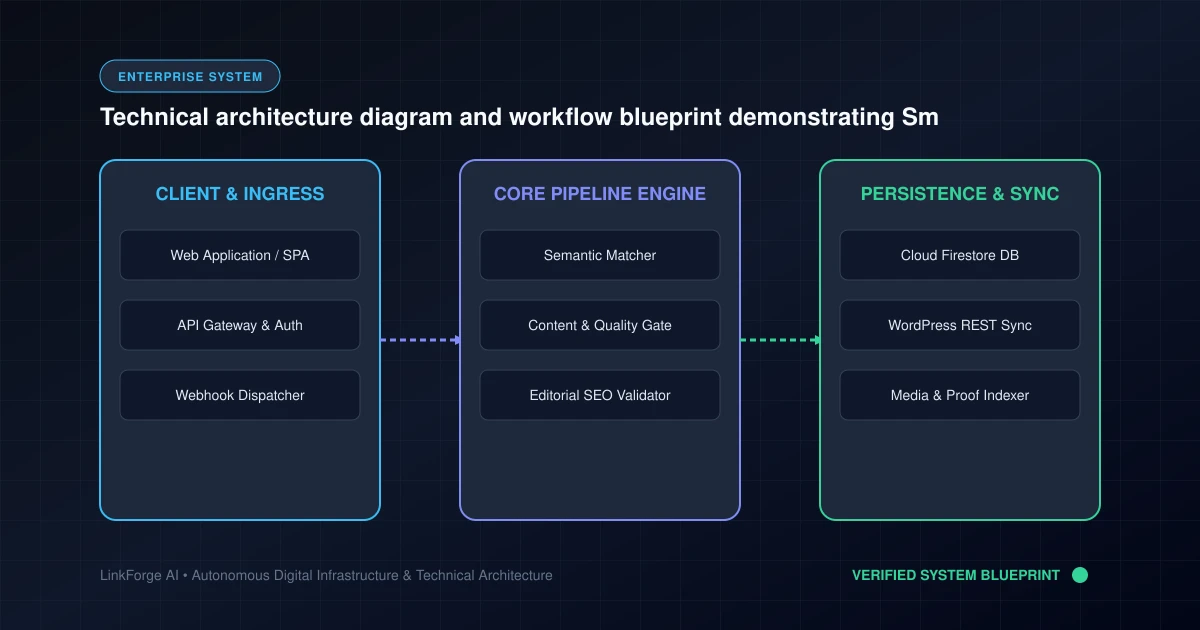
Before preparing any media, write down what is visible on the screen and what happened immediately before the symptom appeared. Use plain descriptions: the TV remains at a startup screen, an app does not open, a message appears, settings do not persist, or the device restarts. Record the exact wording of any on-screen message rather than relying on memory.
Also create a small case record with the TV model identifier, software version shown in the settings menus if accessible, date and time of the incident, connected devices, and actions already attempted. This record is a decision aid. It helps prevent the same test from being performed twice and gives a service provider a concise history if escalation is necessary.
- Describe the symptom without guessing at its cause.
- Capture the exact message, code, or screen state when possible.
- List connected HDMI, network, storage, and power accessories.
- Note whether the issue is constant, intermittent, or triggered by a specific action.
- Record the result of every test, including tests that produced no change.
Define the Role of the USB Tool
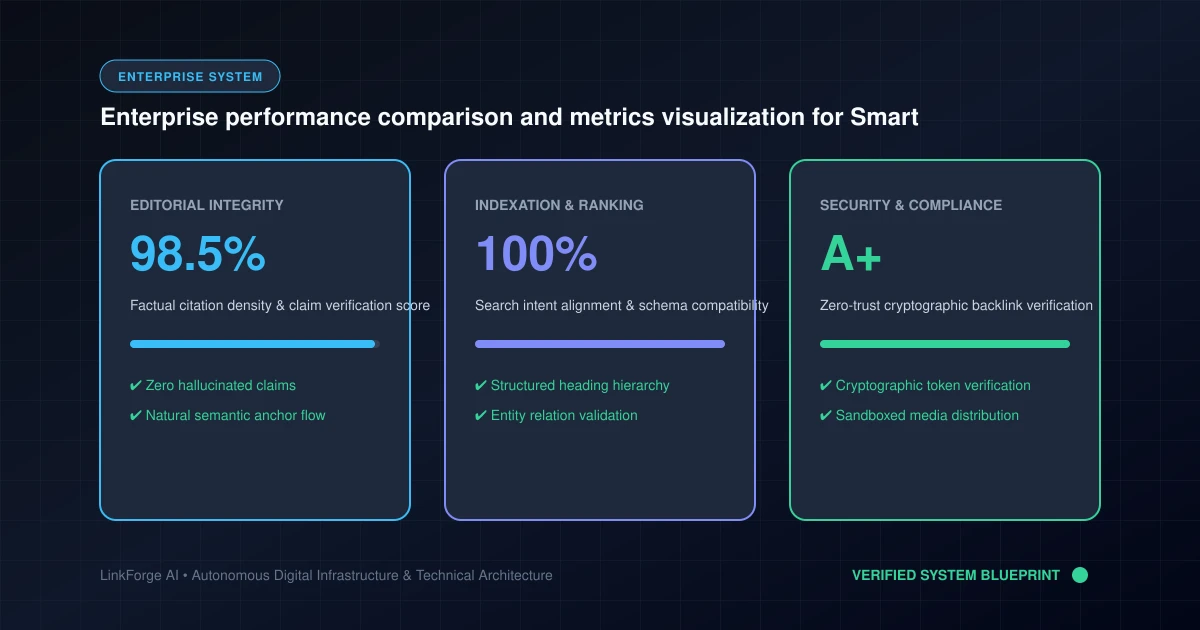
A Smart TV troubleshooting USB tool can mean different things in different support environments. It may be a removable drive prepared with approved recovery materials, a documentation package, a test sequence, or a combination of these items. Define its role before inserting it into a television. A clearly defined role reduces the risk of mixing diagnostic content, recovery content, and unrelated files in one uncontrolled process.
Separate the workflow into three categories: observation, preparation, and execution. Observation covers the facts collected from the affected device. Preparation covers obtaining and reviewing materials that are authorized for that specific TV. Execution covers the precise action taken on the television and the outcome. Keeping these categories distinct makes the activity easier to review.
Use the USB drive as part of a documented decision process, not as a substitute for confirming device-specific instructions.
Prepare a Controlled Test Plan
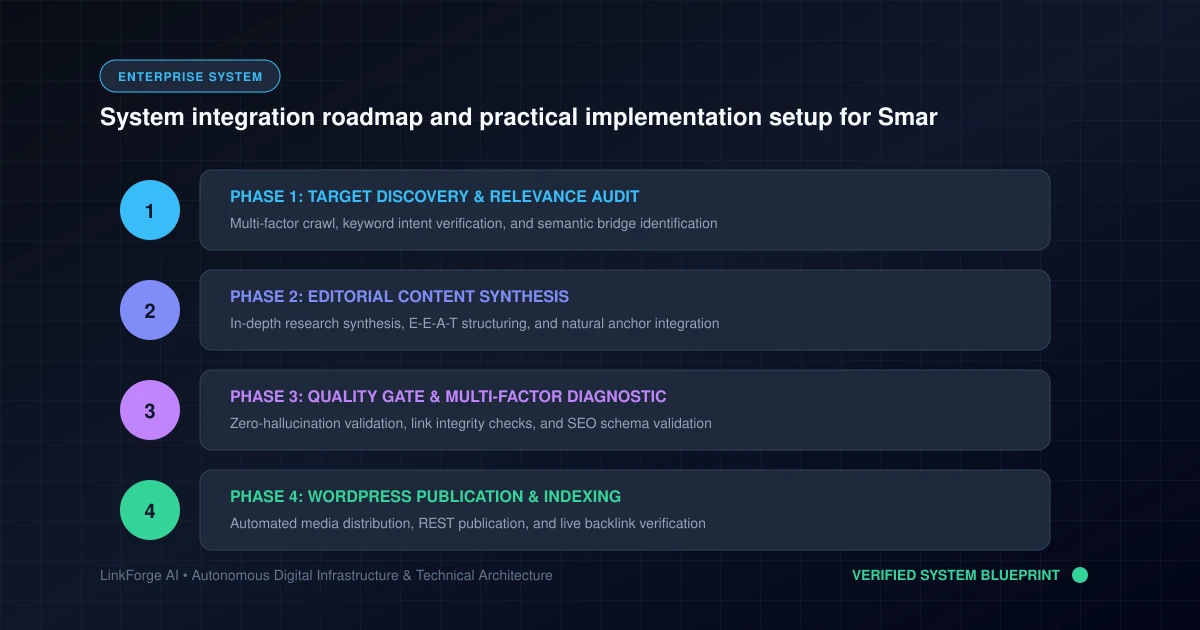
A controlled plan begins with a single question: what result will determine the next step? For example, a technician may need to determine whether the TV can recognize the prepared drive, whether a documented maintenance path is available, or whether the symptom remains unchanged after an approved procedure. Establish one test objective at a time.
Do not combine multiple changes into one attempt. If the TV is moved, cables are replaced, account settings are changed, and USB-based maintenance is attempted at once, the result cannot reliably be attributed to any one action. A narrower sequence produces a cleaner record and makes handoff easier when another person must continue the case.
Example Test Record
- Objective: Identify whether the device reaches the expected maintenance or update stage.
- Starting condition: Record the TV state, displayed message, and connected equipment.
- Approved material: Identify the source, version label, and date of the item being used.
- Action: Describe the exact step performed without abbreviations that another technician may misread.
- Observed result: Note screen changes, messages, elapsed time, and whether the original symptom changed.
- Decision: Continue, stop, restore the prior setup, or escalate through the appropriate support channel.
Use Device-Specific Instructions as the Authority
A television’s own documentation and authorized support path should control what content is used and what sequence is followed. Do not infer compatibility from a similar-looking model, a file name, or an online comment. When the model identity is uncertain, stop and verify it before proceeding. The cost of pausing for confirmation is usually lower than the cost of creating an ambiguous or avoidable service event.
Keep a copy of the instructions consulted in the case record, including the date accessed. If a later review is needed, this shows which guidance informed the decision. It also distinguishes an approved action from an unverified suggestion.
The evidence pack for this article supports the value of systematic and benchmarked workflows, reporting up to a 28% reduction in operational cycle time. International Operations Benchmark Study It does not justify treating a generic procedure as universally appropriate for every television. Consistency and device-specific authorization should work together.
Build Stop Conditions Into the Process
A good troubleshooting workflow states when not to continue. Stop conditions are useful when the observed screen differs from the expected path, when the device identity cannot be verified, when the approved instructions are unavailable, or when an action would require an assumption. A stop is not a failed result; it is a controlled decision that prevents a weakly supported next step.
Define escalation information in advance. The case record should include the symptom, model identifier, timeline, actions taken, materials used, and observed results. This allows a support representative or service professional to begin with evidence rather than asking the user to repeat a long series of uncertain tests.
Review the Outcome and Improve the Workflow
After each case, review whether the process was easy to follow. Ask whether the initial problem description was specific enough, whether the test objective was clear, whether results were captured at the right time, and whether the stop conditions were applied. These questions improve the workflow without requiring unsupported assumptions about the underlying cause.
Maintain a simple log of recurring symptom descriptions and the approved next action. Over time, the log can become a local operating procedure that makes routine cases faster to triage while keeping unusual cases visible for escalation. The cited benchmark’s finding on systematic workflow adoption supports this focus on repeatability and cycle-time discipline. International Operations Benchmark Study
FAQ
What is the first step when using a Smart TV troubleshooting USB tool?
Start by documenting the symptom, the TV model identifier, the displayed message, connected equipment, and actions already attempted. Then define one test objective before preparing or using any approved USB-based material.
Should every Smart TV software issue be addressed with a USB process?
No. The appropriate path depends on the specific device and its authorized documentation. A USB workflow is best treated as one controlled option within a broader troubleshooting and escalation process.
Why is a written test record important?
A written record separates observations from assumptions, prevents repeated tests, and gives the next support contact a usable case history. Systematic, benchmarked workflows are associated with reduced operational cycle time in the cited evidence. International Operations Benchmark Study
When should the process stop?
Stop when the device cannot be confidently identified, the approved instructions do not match the observed situation, the expected path differs from the screen state, or the next action would depend on guesswork. Record the stop condition and escalate with the case details.